01
Kitchen & facility design
Kitchen layout, production flow, workflow optimization, capacity planning, and commissary design — planned around how the food and the team actually move, tested against real menus before anything is built.
Engagements rarely begin with a perfectly defined consulting request. They begin with a question: what has changed, what feels harder, what isn't clear yet. The work is understanding the operation before deciding on the path forward — from someone who has spent thirty years running one.
Owners usually reach out for one of these reasons. Sometimes several at once. Often the reason that gets named first isn't the one that matters most — and that is fine.
Part of the work is figuring out where the real opportunity is before recommending anything. Most engagements begin with an operational assessment — a clear read on the business before any change is proposed.
Grouped as themes rather than packages. Engagements are shaped around the operation — most touch several themes, because operations rarely have a single cause.
Kitchen layout, production flow, workflow optimization, capacity planning, and commissary design — planned around how the food and the team actually move, tested against real menus before anything is built.
Operational assessments, labor optimization, SOP development, training programs, and manager routines. Standards written down so the operation depends on the system, not on one experienced employee.
Menu engineering and product development that hold up against prep, labor, purchasing, execution, profitability, and guest experience — not just against taste.
Vendor practices, ordering rhythm, inventory discipline, and cost visibility that make margins easier to read before they become harder to control.
What managers check, how they train, how decisions get made without the owner in the room, and what needs to become repeatable before another location or menu.
Equipment evaluation and validation when a decision warrants it, and pragmatic use of modern restaurant technology and AI where it quietly makes forecasting, purchasing, prep, and scheduling easier.
The steps stay steady from engagement to engagement. What changes is where the emphasis lands.
Review how food, labor, purchasing, training, communication, and decisions actually move through the business. Most engagements begin with an operational assessment before anything is recommended.
Standards, SOPs, manager routines, vendor practices, training tools, workflow, and — where it applies — kitchen or commissary design the team will actually use.
Help leaders turn the new structure into daily habits before the next location, menu, or team change adds pressure.
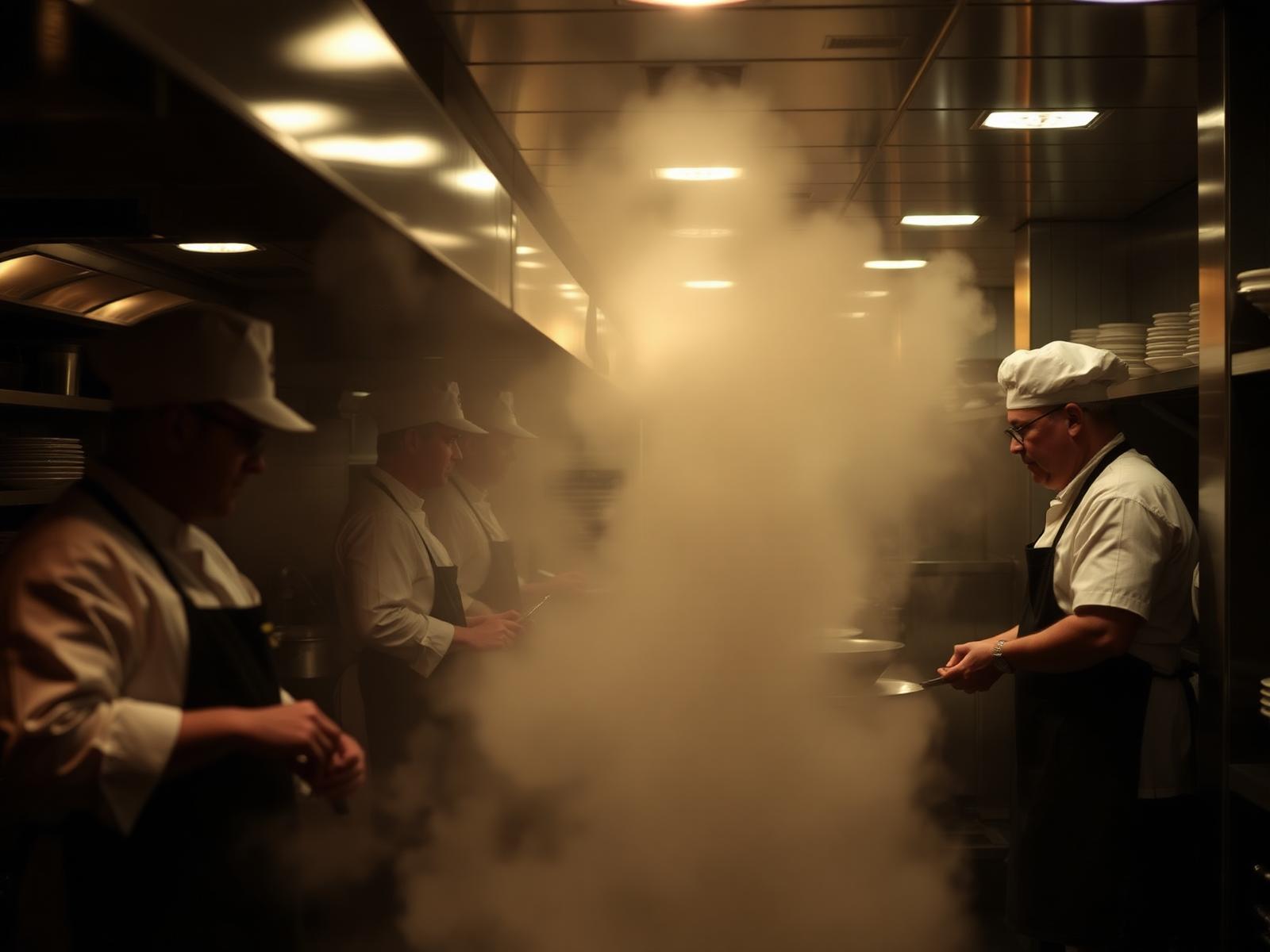
When an engagement includes a new kitchen, a commissary, a renovation, or a significant capital decision, design and workflow are part of the work — planned around production flow, labor, and the menu, not around a showroom.
Equipment is evaluated and validated when the decision warrants it. Not every engagement includes equipment testing. When it does, options are considered against workflow, labor, quality, volume, and long-term cost of ownership.
Every restaurant is different, so the best engagements are shaped around what is actually happening rather than a predefined package. A short conversation is usually enough to know where to begin.